

Access Advanced Solutions for Detailed Mobile Phone Forensics
There are billions of smartphones in the world today. The data locked behind their passwords and biometrics are often personal, private, and sometimes relevant to legal or criminal proceedings. Even unlocked, finding key evidence on a phone can prove challenging if it was previously deleted. The field of mobile phone forensics aims to answer this challenge.
At NZ Forensics, we have many capabilities for examining mobile devices backed up by our robust technology. "Mobile devices" aren't just phones. You'll find tablets, laptops, and other personal devices under this umbrella. Data can hide in many places, from Android and Blackberry devices to small Windows-powered machines.
Our job is to help our partners undertake adequate forensic examinations with data recovery and retrieval. Explore how we do it and see how we can help.
Our Proven Mobile Forensics Approach Delivers Superior Results
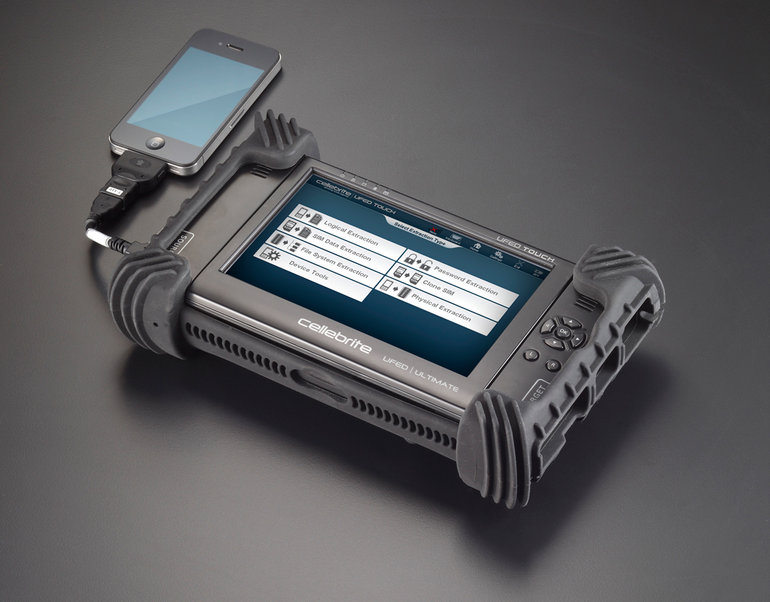
Forensics is a challenging field that demands a measured and scientific approach, which NZ Forensics has embraced wholeheartedly. To deliver our unique and advanced mobile device forensics, we use the CelleBrite UFED Ultimate Touch. UFED stands for Universal Forensic Extraction Device—the same hardware and software combination currently used by the New Zealand Police.
Currently, we are the only authorised private business user of CelleBrite technology in New Zealand. Why did we choose to use this package to power our services?
The CelleBrite UFED is one of the world's most powerful tools for extracting mobile device data. Proven by users and in courtroom litigation to be accurate and reliable, the device dives deep into the digital architecture inside a connected device. Using proprietary techniques, it can consistently extract vast amounts of essential data.
NZ Forensics uses this package because of its reliability and ability to stand up to the rigours of court scrutiny. Even if the data on your target device has been deleted, CelleBrite technology has a high chance of recovering the information. This capability has made it central to numerous small and large investigations.
CelleBrite is the central tool in our approach, but it isn't the only one. We routinely investigate new mobile forensic platforms and adopt mechanisms to serve our clients better. Our tools for unlocking encrypted iPhone backups include the Oxygen Forensic Passware Analyst, enabled with a built-in Passware Password Cracker and the Tableau Password Accelerator.
Together, these tools yield a valid passcode to unlock the device in a dramatically shorter time than other methods.
Exploring Our Device and Platform Capabilities
What can we help you recover or investigate? As the pool of mobile devices expands, we stay at the cutting edge of forensics. Our extensive range of tools, combined with our technical certifications, gives us many capabilities today.
What Platforms Do We Support?
We can recover physical and logical data from the following platforms:
- Android phones
- iPhones, iPads, and iPods
- Other smartphone platforms
- PDAs, such as Blackberry devices
- Windows phones
- GPS devices
In addition, we've equipped ourselves with an innovative Chinex adaptor for the CelleBrite technology. Using this tool, we can also recover forensic data from most Chinese-produced mobile devices.
What Data Can Our Services Recover?
We use carefully controlled conditions and in-depth training to extract and isolate data in forensically sound ways. In other words, the integrity of the data remains intact, and we can demonstrate where the data originated in the device.
We can currently recover the following types of information:
- Contact lists
- Incoming and outgoing call logs
- Pictures and videos
- Text messages and chats (including Facebook, Kik, WhatsApp, and more)
- GPS location history
- Application data
- Internet usage statistics
- Instant messages sent over social platforms
- Downloads and documents, including personal notes
- Wi-Fi connection history
Engage Experienced Investigators Today
Recovering data from a device for investigative or legal purposes can seem like a daunting task. At NZ Forensics, we strive to remove the stress from the equation for our clients. Through our advanced technology and top-shelf customer service, we provide support for even highly sensitive investigations.
Learn more today about how our team uses CelleBrite tools and discover how it can make a difference in uncovering key information.